A Practical History of Linen: From Ancient Europe to Modern Care
A Time-style exploration of linen’s deep roots, its cultural journeys, and the care rituals that keep this storied textile vibrant today.
Introduction: Linen’s Time-Honored Thread
Linen is more than a fiber; it is a narrative woven through centuries of European life. From the flax fields that fed early textile economies to the refined linens that drape contemporary interiors, this fabric has carried the weight of civilization—almost literally—through warmth, wear, and weather. Its appeal endures because linen speaks a language of temperature regulation, breathability, and a supple hand that softens with age. In this story, we trace linen’s arc from ancient workshops to modern care rituals, showing how a simple textile still teaches us about durability, beauty, and responsibility.
The name “Oxford Linen” evokes both a venerable academic aura and a storied craft tradition. Our aim is to honor that heritage while providing practical guidance for today’s readers: historians, conservators, designers, and anyone who loves textiles enough to seek a deeper understanding of linen’s journey.
Historical Highlights: Linen Across Cultures
Linen’s roots lie in the flax plant, a crop cultivated for thousands of years in Europe. The ancient Egyptians celebrated flax for its linen shrouds and ceremonial uses, while Greco-Roman societies refined weaving techniques and fabric finishes. In northern Europe, linen became a staple in households and workshops, its loose yet strong fibers ideal for garments, table linens, and everyday textiles.
The medieval and early modern periods saw linen weaving evolve into an industry—connected with guilds, monasteries, and regional mills. Linen garments carried social symbolism, and household textiles reflected status as much as function. When we consider linen’s role in libraries, archives, and museums, we glimpse its quiet partnership with preservation: linen’s durability makes it a reliable vehicle for cultural memory.
Ancient Europe
Flax cultivation, early spinning, and the first lingering traces of linen weaving shaped textile economies and daily life.
Medieval Guilds
Weaving, finishing, and dyeing linen became specialized crafts, often regulated by craftspeople’s associations.
Modern Care
Today’s readers benefit from a blend of traditional knowledge and evidence-based laundering practices.
Care and Preservation: Practical Linen Wisdom
Linen’s longevity is born from its structure: hollow flax fibers that allow air to circulate and moisture to wick away. Yet even the most robust linen benefits from thoughtful care. Practical preservation combines gentle handling, appropriate laundering, and mindful storage. The following guidelines pull from centuries of inherited technique and contemporary textile science.
- Washing: Use cool to lukewarm water with a mild detergent. Avoid harsh bleach which can degrade fiber over time. Linen softens with every wash, so resist the urge to over-dry—air drying or low-heat tumble drying preserves the fabric’s natural texture.
- Temperature and Drying: Linen thrives in temperature regulation. Drying on high heat can cause excessive wrinkling and fiber wear; instead, opt for gentle cycles or line dry when possible.
- Ironing and Finishes: For a crisp finish, iron while slightly damp, using a warm iron. Natural finishes, like plant-based softeners, can preserve the linen’s tactile appeal without compromising breathability.
- Storage: Store linen in a cool, dry place. Avoid plastic containment that traps moisture; breathable cotton bags or linen wraps help maintain shape and prevent yellowing over time.
A useful axiom of linen preservation is to treat linen like a living textile—one that improves with use and time. The fabric’s character emerges through regular wear and careful care, turning once-stiff items into softly draped, heirloom-like pieces.
Key Figures in Linen’s History
Across centuries, certain individuals helped shape linen’s trajectory—whether through invention, conservation, or craftsmanship. Here are three of them, spanning distinct eras, whose work echoes through today’s linen practices.
Aelia of Pergamon (1st century BCE)
Early textile innovator who helped optimize linen spinning techniques in Hellenistic Europe, contributing to thread strength and weave uniformity.
While not a household name, she represents the lineage of craft knowledge that enabled linen to move beyond utilitarian use into broader textile culture.
Guildmaster Elias Rønn (14th century)
A representative figure of Northern European linen guilds, overseeing standards for spinning, weaving, and finishing that preserved quality across generations.
Rønn’s records illustrate how regulation and apprenticeship kept linen production competitive and durable, shaping regional identities in textiles.
Dr. Miriam Costa (20th century)
Conservator and textile scientist who advanced linen preservation in museums, underscoring proper fiber stabilization and historically accurate finishes.
Costa’s work bridged hands-on conservation with public education, ensuring linen artifacts endure for study and appreciation.
Linen in the Modern World: From Archives to Everyday Use
The beauty of linen today lies in its blend of heritage and practicality. Contemporary designers celebrate linen’s natural texture, while consumers seek fabrics that perform—breathability, durability, and easy care—without sacrificing character. Linen’s story intersects with education, preservation, and sustainable design. That is why linen remains a focal point in heritage-minded homes and in classrooms that aim to demystify textile technologies.
The modern consumer is also mindful of sourcing. GOTS-certified linen—grown in France, woven in Portugal, and finished with plant-based treatments—demonstrates a commitment to environmental stewardship while maintaining the material’s integrity. This presents an opportunity for readers to engage with linen beyond aesthetics: consider provenance, processing, and lifecycle when selecting textiles for home or wardrobe.
A Fiber You Can Trust: Practical Recommendations
For readers curious about actual products that embody linen’s heritage and care ethos, consider a move toward garments and textiles that foreground natural fibers and responsible production. One example from a current selection stands out for its blend of heritage craft and modern wearability:

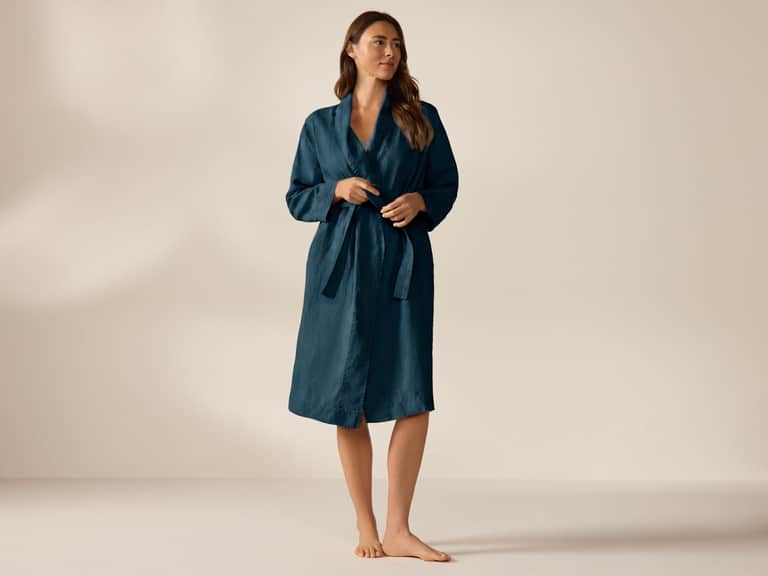
Women's Organic Relaxed Linen Robe
100% organic linen, French-grown fiber, woven in Portugal. GOTS certified with wrap closure and self-tie belt.
This robe embodies linen’s ease and breathable luxury. Its relaxed silhouette makes it a daily indulgence—an approachable entry point into linen’s timeless appeal. The robe’s care requirements align with linen loyalty: machine wash cold, tumble dry low, warm iron if desired. It’s a modern staple that nods to a heritage of textile craft, while delivering practical comfort for contemporary living.
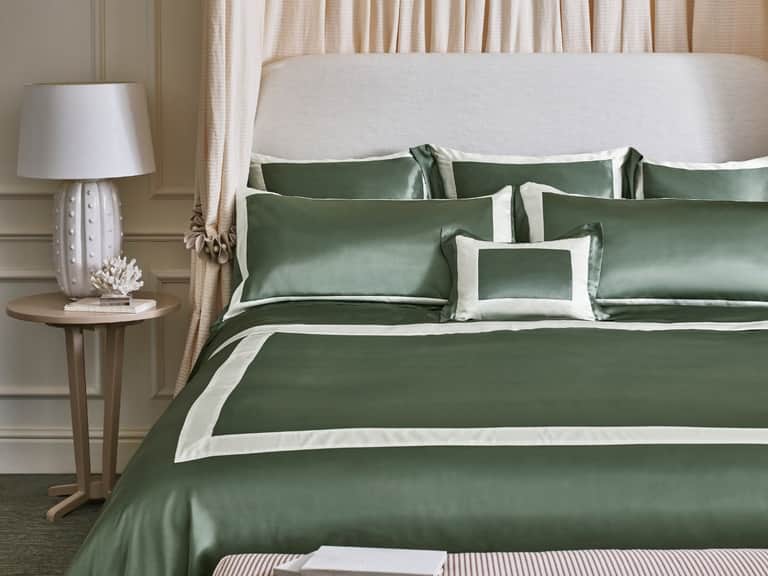
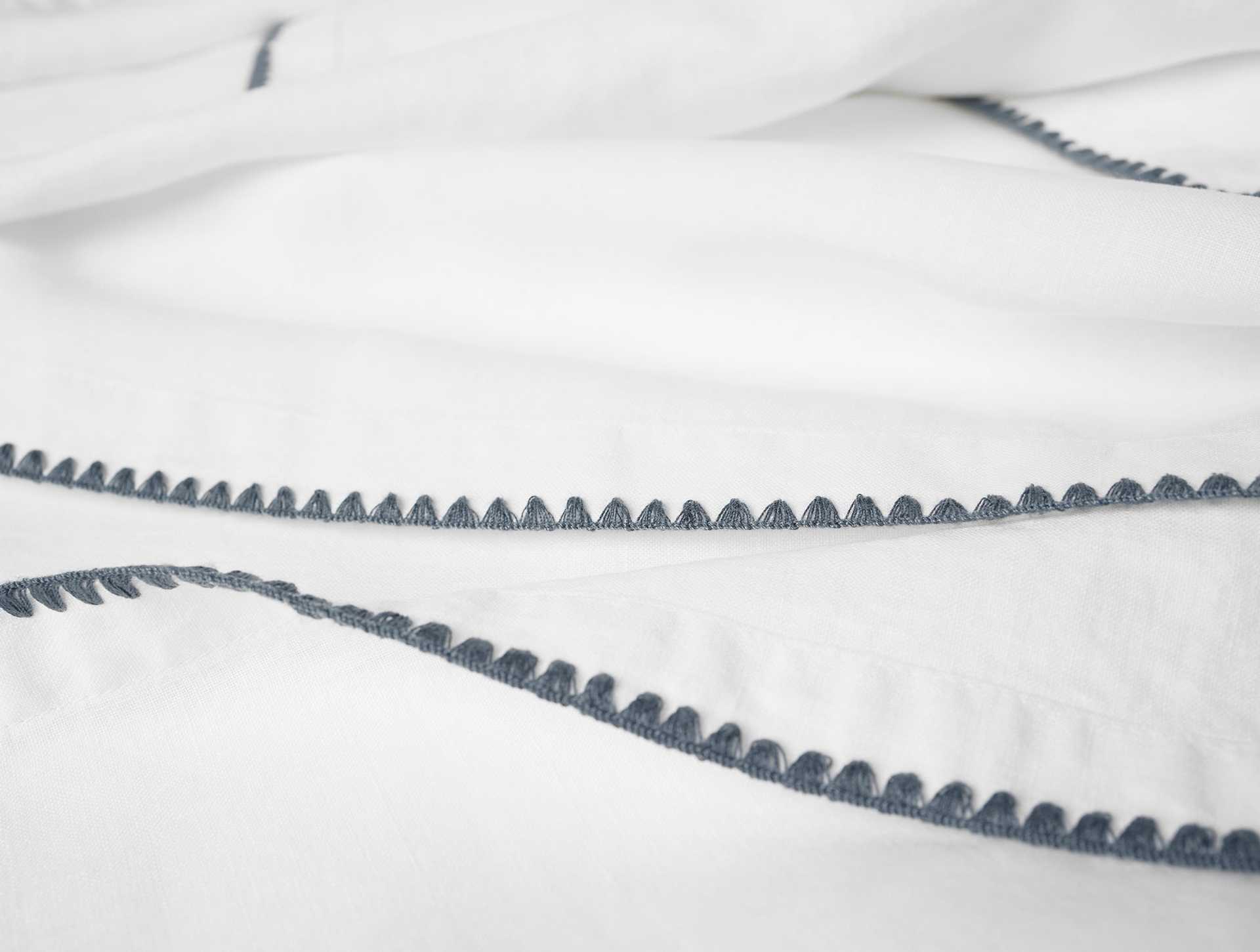
In addition to apparel, linen textiles for the home—such as sheets, pillowcases, and decorative covers—continue to offer durable performance with a quiet aesthetic. The Linen Sheet Set’s 15-inch deep pockets and plant-based finishes illustrate how modern care protocols respect linen’s fiber structure without compromising ease of use.
Conclusion: Linen as Continuity
Linen connects antiquity to today with a thread that remains unbroken: a faith in the craft, a reverence for the material, and a commitment to responsible production and care. Its story—anchored in ancient Europe and carried forward by modern stewardship—remains a living, edifying practice. By studying linen’s past, we gain a clearer lens on present textile choices and a blueprint for future preservation.
As with any enduring material, the best way to honor linen is to handle it with curiosity and care—treat it as a living archive, and it will continue to tell its story for generations to come.